What Does Group Training Look Like in Your Industry?
Warehouses, Fulfillment, and Logistics
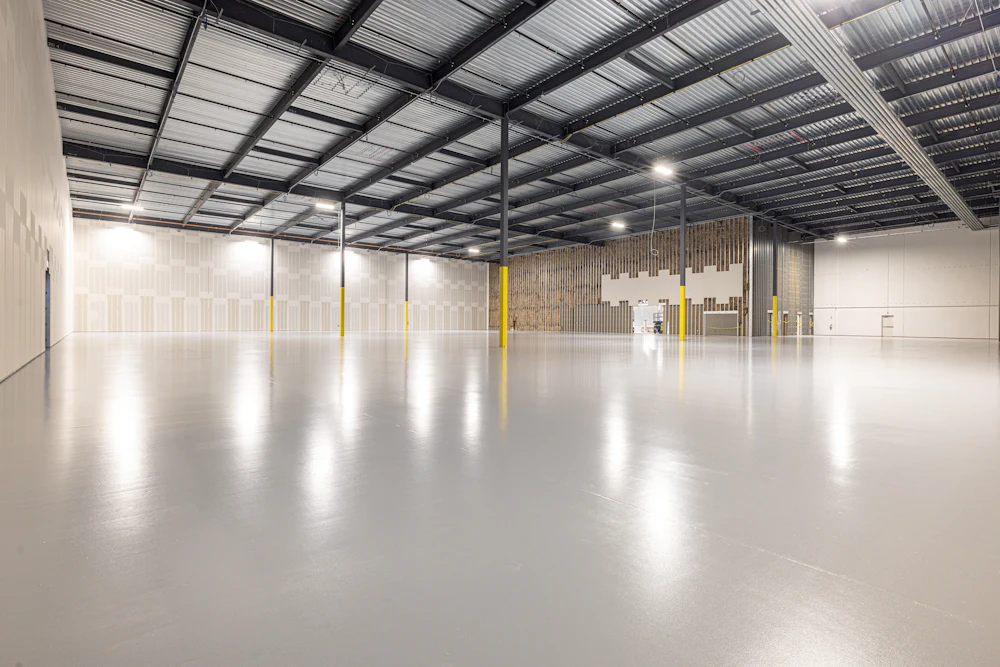
The risk: Lots of workers, shift changes, constant new hires, and people who leave on bad terms. ASIS says violence risk in these places is easy to miss when turnover is high. What your team learns: how to spot warning signs, cool down conflicts between coworkers, handle drivers and visitors, follow a plan when a fired employee returns, and respond to emergencies.
Healthcare
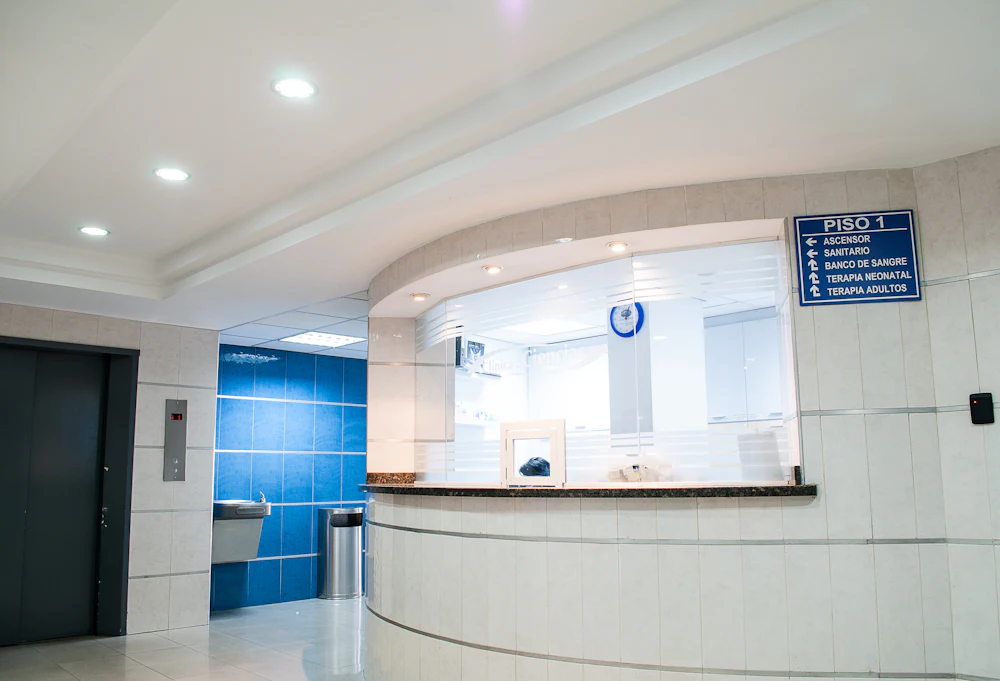
The risk: Health care has the highest violence rate in the BLS data, and California section 3342 requires a plan and training for covered facilities. What your team learns: de-escalation with patients and visitors, working as a team when someone escalates, calling for help fast, and writing clear reports. Your facility's own plan comes first, and we match training to it.
Retail and Grocery
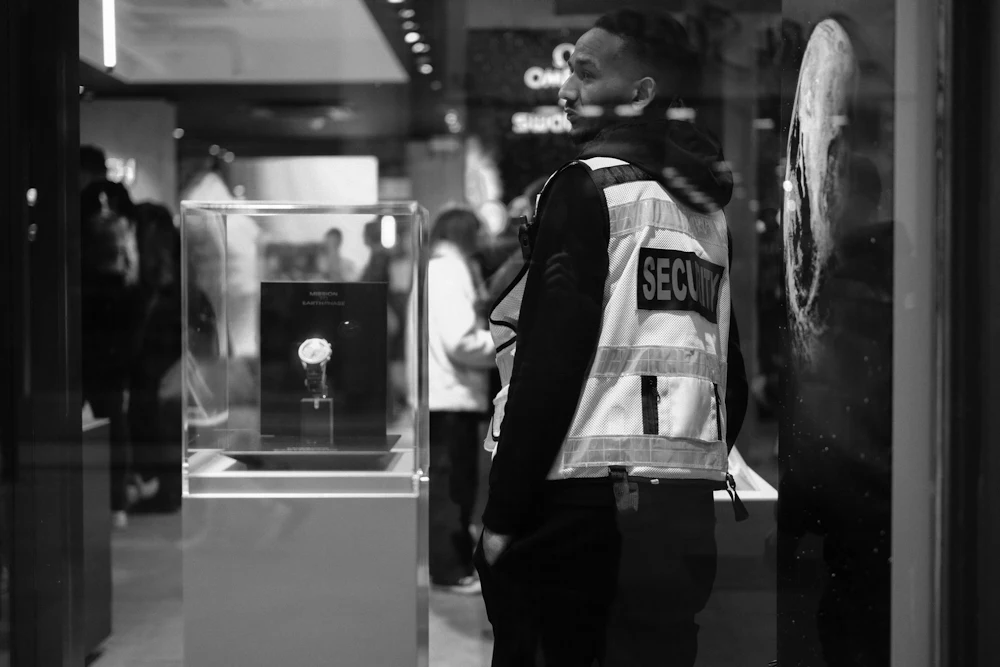
The risk: Theft can turn violent in seconds, and employees are the ones standing there. What your team learns: to watch and report instead of chasing, to refuse politely but firmly, to respond during a robbery, and to follow your SB 553 plan. See our retail training page.
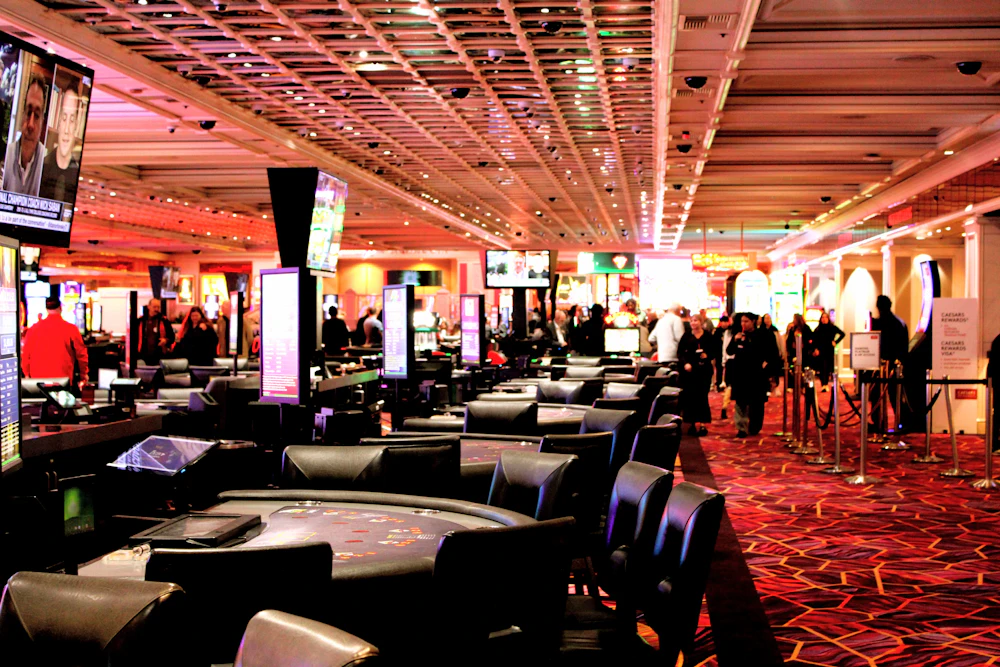
Hotels and Casinos
The risk: Alcohol, cash, upset guests, and night staff working alone. Some California cities now require hotels to give workers panic buttons and train them to use them. What your team learns: calm words and space for angry guests, when to signal security or surveillance, how to protect other guests, and how to write a clear report.
Government and Public Agencies
The risk: Counter staff and call-takers deal with upset people all day. What your team learns: the CISA steps of recognizing warning signs, sizing up the situation, de-escalating when safe, and reporting. We also cover lobby plans, threatening calls, and emergency steps.
Corporate Offices and Large Employers
The risk: An angry former employee, a stalker, or an upset customer walks into the lobby, and the front desk is the first line of safety. What your team learns: stay calm, do not argue, call for help, keep others away, and follow the plan California may require under SB 553. Read our plan guide and our workplace violence training page.
Schools and Universities
The risk: Large staffs, constant visitors, and tense family situations. What your team learns: how to spot warning signs, handle upset visitors, and carry out lockdowns and evacuations. See our school security page.
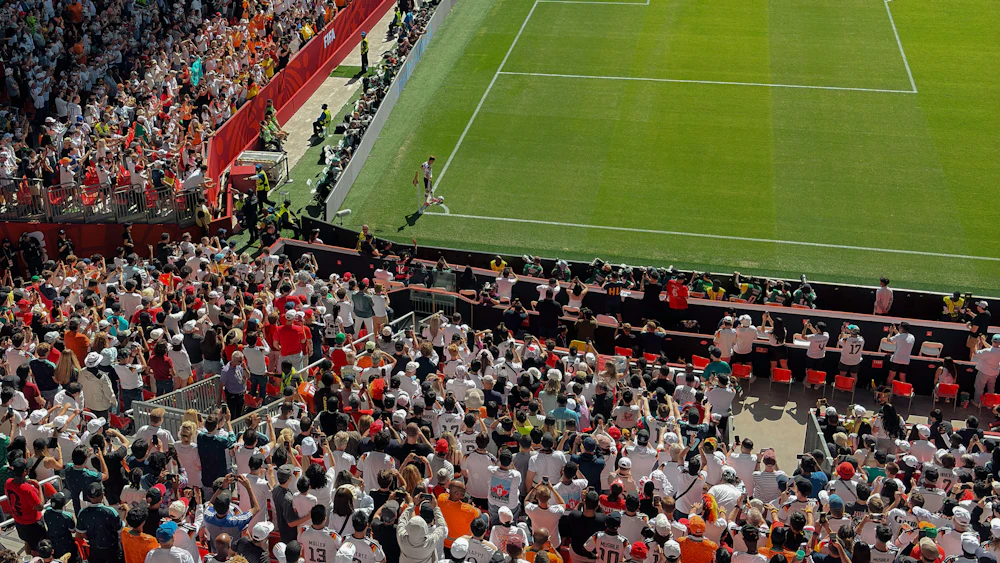
Stadiums, Arenas, and Event Venues
The risk: Big crowds, drinking, and part-time staff who work only a few days a month. What your team learns: early trouble spotting, crowd and gate awareness, medical response, and one radio and reporting plan. Experts also suggest cross training event security and guest services staff so everyone can lead people to safety.
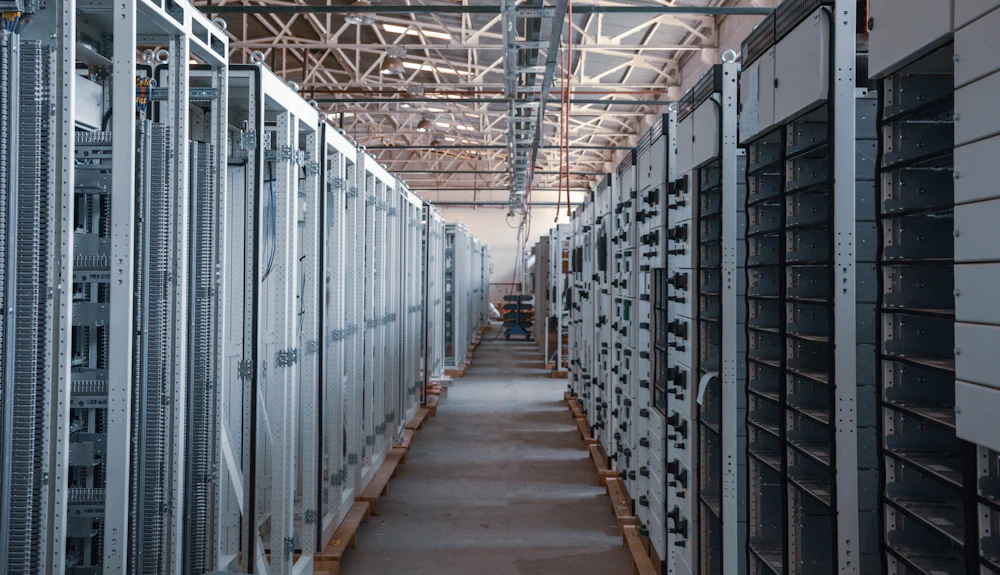
Data Centers, Tech, and Biotech Sites
The risk: People get in by following staff through doors or posing as contractors. What your team learns: how to politely challenge people without badges, escort visitors, never share badges, and report anything odd right away.
Auto Dealerships
The risk: Upset customers, test drives with strangers, theft, and the liability that comes with employees. Wards Auto notes dealerships are more often targeted by bullies and abusers than by gun violence. What your team learns: calm words with angry customers, safe test-drive habits, and what to do if a threat is made.
Bars and Clubs
The risk: Drunk guests, fights, and the staff who handle them. Bar verdicts are some of the largest on this page. What your team learns: safe cutoffs, early fight prevention, when to call 911, and how to protect your liquor license. Many California servers and managers must also finish Responsible Beverage Service training within 60 days of hire. See our restaurant and bar training page.